
PhotoChemical Reactors
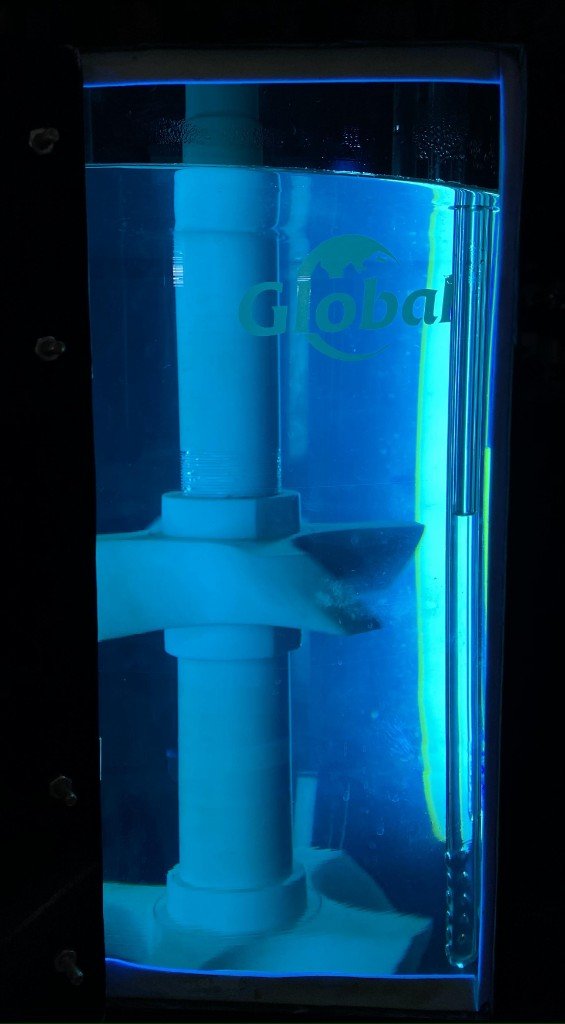
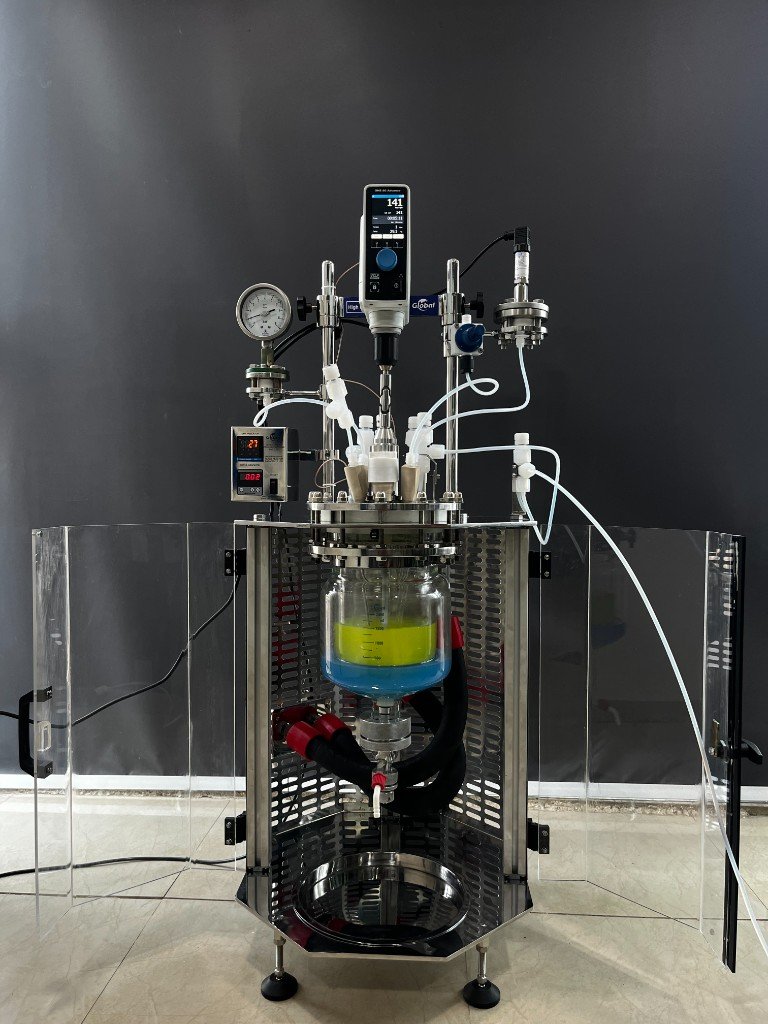
ANTICO FotoFlux™ is designed for chemical reactions initiated or accelerated by light energy. The working principle involves irradiation of the reaction mixture using UV or visible light sources. The system includes a reactor vessel, light source, cooling arrangement, and control unit. It ensures uniform light distribution for efficient reaction performance.
It is used in photocatalysis and advanced chemical synthesis. The reactor supports both batch and continuous flow configurations. It enables environmentally friendly and energy-efficient processes. The system allows control over wavelength and intensity. It is widely used in specialty chemicals and pharmaceuticals. ANTICO FotoFlux™ supports modern green chemistry applications.
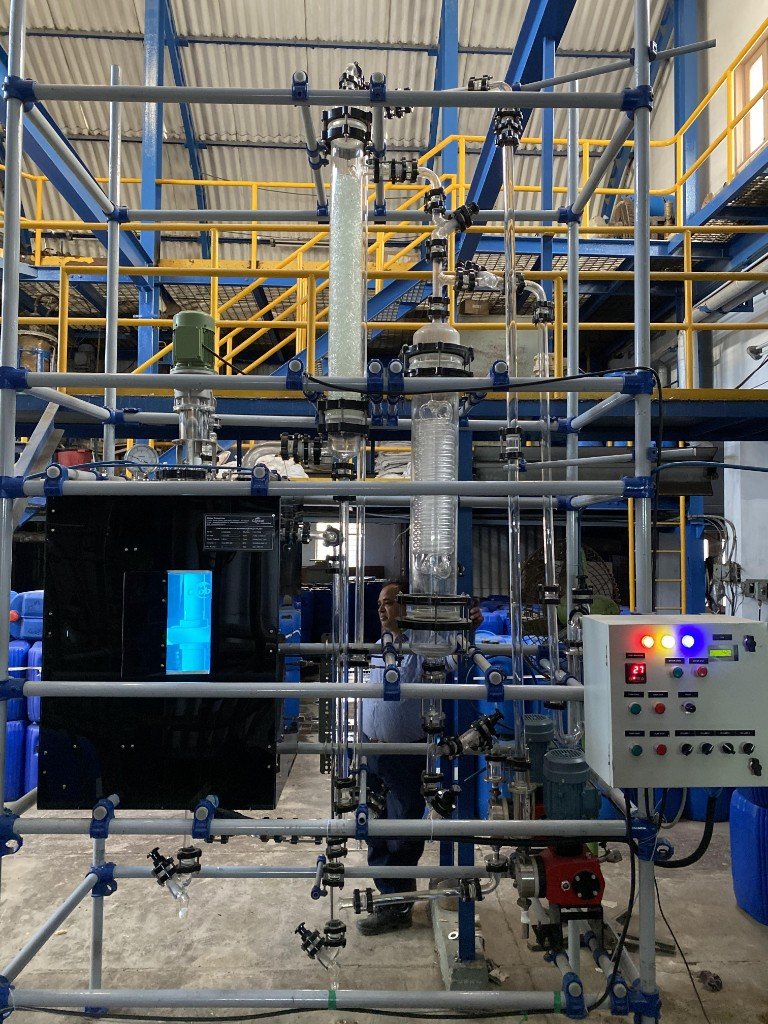
- Reactor Type Batch / Flow Photochemical Reactor
- Capacity 100 mL – 20 L (batch) / 1–1000 mL/min (flow)
- MOC (Reactor) Quartz / Borosilicate Glass 3.3 / SS316L
- Light Source UV (254–365 nm) / Visible LED (400–700 nm)
- Lamp Power 10 W – 1000 W (adjustable)
- Irradiation Type Immersion Well / External Jacket Illumination
Key Features
-
Uniform light distribution
Uniform light distribution
-
UV / LED light sources
UV / LED light sources
-
Temperature controlled chamber
Temperature controlled chamber
-
Continuous or batch operation
Continuous or batch operation
-
Quartz reactor compatibility
Quartz reactor compatibility
-
Engineered for Reliable Operation
Built for demanding chemical and pharmaceutical process environments.
System Components
Modular assemblies engineered for reliable integration, service access, and scale-up from laboratory to pilot plant operation.
Applications
- Pharmaceutical synthesis
- Fine chemicals
- Agrochemicals
- Polymer research
- Advanced materials
- Academic & government research
- Oil & gas processing
- Water treatment
Technical Specifications
| Parameter | Specification |
|---|---|
| Reactor Type | Batch / Flow Photochemical Reactor |
| Capacity | 100 mL – 20 L (batch) / 1–1000 mL/min (flow) |
| MOC (Reactor) | Quartz / Borosilicate Glass 3.3 / SS316L |
| Light Source | UV (254–365 nm) / Visible LED (400–700 nm) |
| Lamp Power | 10 W – 1000 W (adjustable) |
| Irradiation Type | Immersion Well / External Jacket Illumination |
| Temperature Range | 0°C to 80°C (with cooling) |
| Pressure Range | Atmospheric to +5 barg |
| Cooling System | Air / Water / Recirculating Chiller |
| Mixing System | Magnetic Stirrer / Mechanical Agitation |
| Flow Configuration | Coil Reactor / Microreactor (for flow mode) |
| Control System | Timer-based / PLC with intensity control |
| Wavelength Control | Fixed / Tuneable LED options |
| Safety Features | UV Shielding, Interlock System, Ventilation |
| Applications | Photoredox, Chlorination, Oxidation, API Intermediates |
Related Products
FAQ
What capacity range is available for Photochemical Reactor?
We offer project-specific sizing from laboratory benchtop scale through pilot and production volumes. Contact our engineers with your batch size and process requirements for a tailored recommendation.
Can this unit be integrated with existing plant automation?
Yes. All systems support standard instrumentation signals and can interface with DCS, PLC, or standalone controllers. Custom I/O and recipe control packages are available.
What material options are available?
Borosilicate glass, glass-lined steel, stainless steel, and specialty alloys including Hastelloy can be specified based on your process chemistry, temperature, and pressure requirements.
Do you provide installation and commissioning?
Global Lindus provides on-site installation supervision, commissioning, operator training, and optional IQ/OQ documentation for regulated industries.
What is the typical delivery lead time?
Standard configurations ship in 4–8 weeks. Custom skid assemblies and large production units may require 12–16 weeks depending on scope and material availability.